The Clock That Never Stops: Reclaiming Your Peace in a Market That Refuses to Sleep
The Market Is Always Open. You Shouldn't Be.
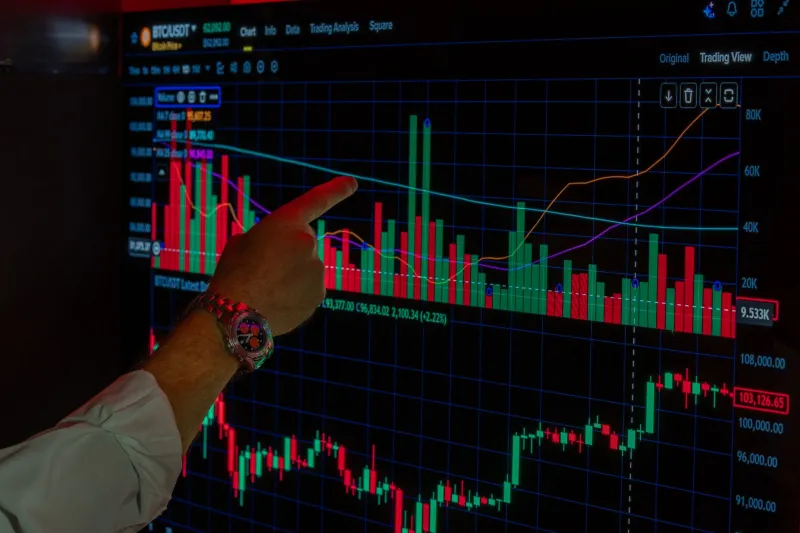
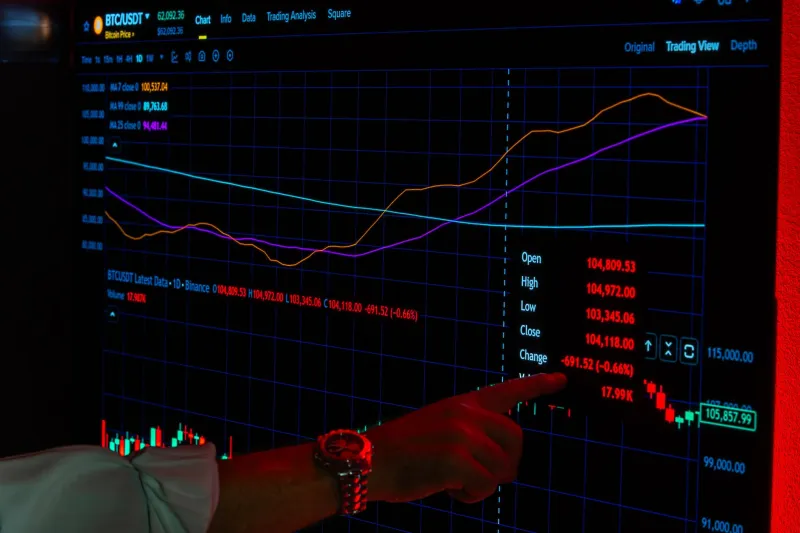
There's a moment every crypto trader in America eventually experiences: it's 2:47 AM, you're staring at a candlestick chart on your phone in the dark, and you're telling yourself you're just "checking a position." You're not. You're feeding a habit that the market's round-the-clock structure was designed — intentionally or not — to encourage.
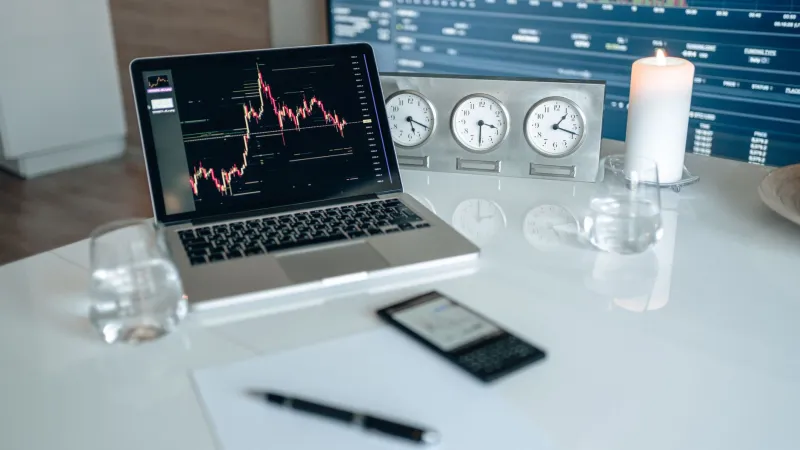
Traditional equity traders in New York and Chicago have it easy in one respect: the bell rings at 9:30 AM Eastern, and when it rings again at 4:00 PM, they're done. Crypto offers no such mercy. Bitcoin, Ethereum, and every altcoin on the board trade through Saturday nights, federal holidays, and 3 AM wake-up calls. That's a genuine structural advantage for capturing opportunity — and a genuine psychological hazard for the person doing the capturing.
When Always-On Becomes Always-Anxious
The research on sleep deprivation and decision-making is unambiguous: chronic fatigue degrades risk assessment, slows reaction time, and amplifies emotional reactivity. Now layer that on top of a market where a 10% move can happen during your lunch break — or during your REM cycle — and you have a recipe for the kind of impulsive, revenge-driven trading that drains accounts.
The symptoms are familiar. Overtrading to feel "involved" rather than because a setup exists. Checking price every eleven minutes. Making leveraged decisions at midnight that you'd never make at a desk in daylight. The always-open market doesn't just test your strategy; it tests your boundaries. And most retail traders never set any.
Design Your Trading Shift
The most disciplined traders we speak with treat crypto like a shift job, even though the asset class isn't one. Concretely, that means:
Define your window. Pick two or three hours a day when you're genuinely alert — for most working Americans, that's early morning before the commute or the evening after dinner — and do your analysis, execution, and review inside that window only.
Write a close-of-day ritual. Review open positions, confirm stop-loss levels, note anything worth watching tomorrow. Then close the app. The ritual matters because it gives your brain a formal signal that the workday is over.
Schedule your ignorance. You will miss moves. Every trader does. The goal isn't to catch everything; it's to catch the setups inside your system and let the rest go. A missed trade costs nothing. A sleepless night of impulsive trades costs plenty.
Let Machines Hold the Line While You Rest
Here's where the 24/7 nature of digital assets stops being a burden and becomes manageable: you don't have to be awake for the market to respect your plan.
Modern alerting and automation tools make it entirely practical to delegate overnight vigilance. Price alerts at your key support and resistance levels mean your phone pings only when something material happens — not every time a candle wiggles. Conditional orders, including stop-losses and take-profit brackets, execute your risk management even while you're asleep or at your kid's soccer game.
The critical caveat: automation is only as sound as the plan behind it. A stop-loss placed in a calm moment is a tool. One placed in a panic at 1 AM is usually a mistake with an API key. Build your orders deliberately, during your defined trading window, and let them run.
The Weekend Question
Saturdays deserve special mention. Equities close; crypto doesn't, and weekend sessions are notoriously thin on liquidity, which means volatility gets exaggerated. For traders who treat weekends as regular trading time, that thinness is a trap. For disciplined traders, weekends are a natural place to draw a boundary: use them for review, research, and planning — not execution. Monday you'll be sharper, and your weekend self will thank you.
Sanity Is a Competitive Edge
It's fashionable to frame exhaustion as dedication. In trading, it's the opposite: fatigue is a tax on every decision you make. The traders who last — who are still compounding five years from now — are the ones who learned that the market's endless hours are a feature of the asset class, not an obligation of the participant.
Set your hours. Automate your discipline. Trust your alerts. The market will still be there when your window opens tomorrow. It always is.